Augmented Canvases: Quantifying Aesthetics in the Age of the Hyper-Connected Art Fair
Augmented Canvases: Quantifying Aesthetics in the Age of the Hyper-Connected Art Fair
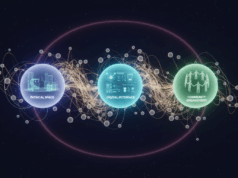
The global art market, traditionally characterized by subjective valuations and opaque transactions, is undergoing a profound transformation. Driven by advancements in Artificial Intelligence, blockchain technology, and biometric analysis, art fairs in 2025 are evolving into hyper-connected ecosystems where aesthetic appreciation can be, to some extent, quantified and investment decisions are increasingly informed by data-driven insights.
Gone are the days of relying solely on human curators’ expertise. While their role remains crucial, AI algorithms are now integral to the art fair experience, both for organizers and attendees. Sophisticated Machine Learning models, trained on vast datasets of art history, market trends, and visitor preferences, are being used to:
- Optimize Exhibition Layouts: AI analyzes foot traffic patterns from previous fairs, combined with predictive models of visitor interest based on artwork characteristics (style, artist, medium, subject matter), to design layouts that maximize engagement and discovery. Heatmaps generated in real-time during the fair allow for dynamic adjustments to optimize flow and minimize congestion.
- Personalized Art Recommendations: Mobile apps and augmented reality (AR) overlays provide attendees with personalized art recommendations based on their viewing history, biometric responses (e.g., pupil dilation, heart rate variability), and stated preferences. These recommendations go beyond simple keyword matching, leveraging semantic analysis to understand the underlying themes and emotional resonance of artworks.
- Automated Art Valuation: AI algorithms assess the fair market value of artworks by considering factors such as artist reputation, provenance, exhibition history, and comparable sales data. These valuations, while not infallible, provide a more objective benchmark for potential buyers, reducing reliance on subjective appraisals. Furthermore, AI can detect potential forgeries with increasing accuracy, analyzing brushstrokes, pigment composition, and canvas aging patterns.
The scientific validity of these AI-driven approaches hinges on the quality and comprehensiveness of the data used for training. Bias in the training data can lead to skewed recommendations and inaccurate valuations, highlighting the importance of careful data curation and algorithmic transparency.
Biometric Analysis: Decoding Emotional Responses to Art
The integration of biometric sensors into the art fair experience represents a radical shift towards quantifying subjective aesthetic responses. Attendees can opt-in to wear smartwatches or AR glasses equipped with sensors that monitor:
- Eye Tracking: Analyzing gaze patterns to determine which artworks capture the most attention and for how long. This data can reveal subtle differences in how different demographics engage with specific pieces.
- Heart Rate Variability (HRV): Measuring fluctuations in heart rate to gauge emotional arousal. Higher HRV is often associated with positive emotions such as joy and excitement, while lower HRV may indicate stress or boredom.
- Facial Expression Analysis: Using computer vision algorithms to detect micro-expressions that reveal underlying emotions such as happiness, surprise, confusion, or disgust. These expressions can provide valuable insights into the viewer’s unconscious reactions to the artwork.
- Galvanic Skin Response (GSR): Measuring changes in skin conductance, which is indicative of emotional arousal and can be used to assess the intensity of a viewer’s response to a particular artwork.
The ethical implications of collecting and analyzing biometric data are significant. Art fairs are implementing strict privacy policies and obtaining informed consent from attendees. Anonymization techniques are used to protect individual identities, and data is only used for research purposes and to improve the overall art fair experience. However, concerns remain about the potential for misuse, such as manipulating viewers’ emotions or using biometric data to discriminate against certain groups.
Blockchain and NFTs: Ensuring Provenance and Fractional Ownership
Blockchain technology is revolutionizing the art market by providing a secure and transparent ledger for tracking the provenance of artworks and facilitating fractional ownership. Non-fungible tokens (NFTs) are increasingly being used to represent ownership rights in both physical and digital art, enabling:
- Enhanced Provenance Tracking: Every transaction involving an artwork is recorded on the blockchain, creating an immutable record of its ownership history. This makes it much more difficult to counterfeit or misrepresent the provenance of an artwork. Advanced blockchain solutions now incorporate DNA tagging of physical artworks, providing an unforgeable link between the physical object and its digital representation.
- Fractional Ownership: NFTs can be divided into smaller units, allowing multiple individuals to own a share of a valuable artwork. This democratizes access to the art market, making it possible for smaller investors to participate in the appreciation of high-value pieces. However, legal frameworks surrounding fractional ownership are still evolving, and there are risks associated with the volatility of the NFT market.
- Smart Contracts for Artist Royalties: Smart contracts can be programmed to automatically distribute royalties to artists each time their work is resold on the secondary market. This ensures that artists receive a fair share of the value they create, even after their work has been sold to collectors. The enforcement of these smart contracts, however, depends on the robustness of the legal system and the willingness of collectors to comply.
The environmental impact of blockchain technology, particularly proof-of-work blockchains, has been a concern. However, the art world is increasingly adopting more energy-efficient blockchain solutions, such as proof-of-stake blockchains, to minimize its carbon footprint.
Virtual and Augmented Reality: Expanding the Art Fair Experience
Virtual reality (VR) and augmented reality (AR) technologies are transforming the art fair experience, allowing attendees to:
- Explore Virtual Art Fairs: VR platforms allow attendees to visit art fairs from anywhere in the world, eliminating the need for travel and reducing the environmental impact of the event. These virtual fairs offer immersive experiences, allowing attendees to view artworks in 3D and interact with gallery representatives.
- Augment Physical Artworks: AR apps overlay digital information onto physical artworks, providing attendees with additional context and insights. This can include artist biographies, critical reviews, and interactive visualizations of the artwork’s underlying structure. AR can also be used to simulate how an artwork would look in a collector’s home, aiding in the purchase decision.
- Create Immersive Art Installations: VR and AR technologies are being used to create immersive art installations that transport viewers to other worlds. These installations can combine visual, auditory, and haptic elements to create a truly sensory experience.
The effectiveness of VR and AR technologies in enhancing the art fair experience depends on the quality of the technology and the creativity of the artists and curators. Poorly designed VR experiences can be disorienting and uncomfortable, while uninspired AR overlays can detract from the aesthetic appreciation of the artwork.
Data-Driven Investment Strategies: The Quantification of Art as an Asset
The convergence of AI, blockchain, and biometric data is leading to the development of sophisticated data-driven investment strategies in the art market. Hedge funds and art investment firms are using these technologies to:
- Identify Undervalued Artworks: AI algorithms analyze market trends and artist performance to identify artworks that are likely to appreciate in value. These algorithms can also detect emerging artists and trends, providing investors with early access to promising opportunities.
- Manage Art Portfolios: Data analytics tools provide investors with real-time insights into the performance of their art portfolios. These tools can track the value of artworks, monitor market volatility, and identify potential risks.
- Automate Art Trading: Algorithmic trading platforms are being developed to automate the buying and selling of art. These platforms use AI to execute trades based on pre-defined rules and market conditions. However, the complexities of the art market, including the subjective nature of aesthetic value and the illiquidity of many artworks, make algorithmic trading a challenging endeavor.
The increasing quantification of art raises concerns about the commodification of culture. Critics argue that data-driven investment strategies can prioritize financial returns over artistic merit, leading to a homogenization of taste and a decline in artistic innovation. The challenge lies in finding a balance between leveraging technology to improve the efficiency and transparency of the art market, while preserving the artistic integrity and cultural value of art.
You Might Also Like
- The Rise of NFT-Based Economies
- Bio-Integrated Art: Where Biology Meets the Printer
- The Sensor Revolution: Accuracy and Depth of Data
- Emulation Evolved: Beyond Basic ROMs
- The Promises of Ultra-Fast Connectivity: More Than Just Speed
Frequently Asked Questions (FAQ)
How does AI improve content discovery?
AI analyzes your past behavior and preferences to suggest content you're more likely to enjoy, moving beyond generic recommendations.
What are the benefits of AI curation over human curation?
AI can process vast amounts of data quickly, identifying trends and patterns that humans might miss, leading to more personalized and relevant content suggestions at scale.
Is AI curation going to replace human curators entirely?
Unlikely. AI excels at data analysis, but human curators offer valuable context, nuance, and ethical considerations that AI currently lacks. A hybrid approach is more probable.