Global Classrooms Evolved: Building Bridges Across Borders Through Collaborative Online Learning in 2025
Global Classrooms Evolved: Building Bridges Across Borders Through Collaborative Online Learning in 2025
The landscape of education has undergone a seismic shift, and by 2025, collaborative online classrooms have become a cornerstone of global learning. No longer a niche experiment, these digitally connected environments foster cross-cultural understanding, enhance digital literacy, and provide access to diverse perspectives previously unimaginable. This article delves into the key elements shaping these evolved global classrooms, incorporating expert opinions and recommendations for educators and institutions looking to leverage their potential.
The advancements in technology have been instrumental in transforming the online learning experience. We’ve moved beyond basic video conferencing to sophisticated platforms that offer:
- AI-Powered Personalized Learning Paths: Artificial intelligence analyzes student performance in real-time, adapting the curriculum and providing tailored feedback. Dr. Anya Sharma, a leading AI researcher at MIT’s Media Lab, emphasizes that, “AI is not meant to replace educators, but to augment their capabilities, allowing them to focus on individual student needs and fostering deeper engagement.”
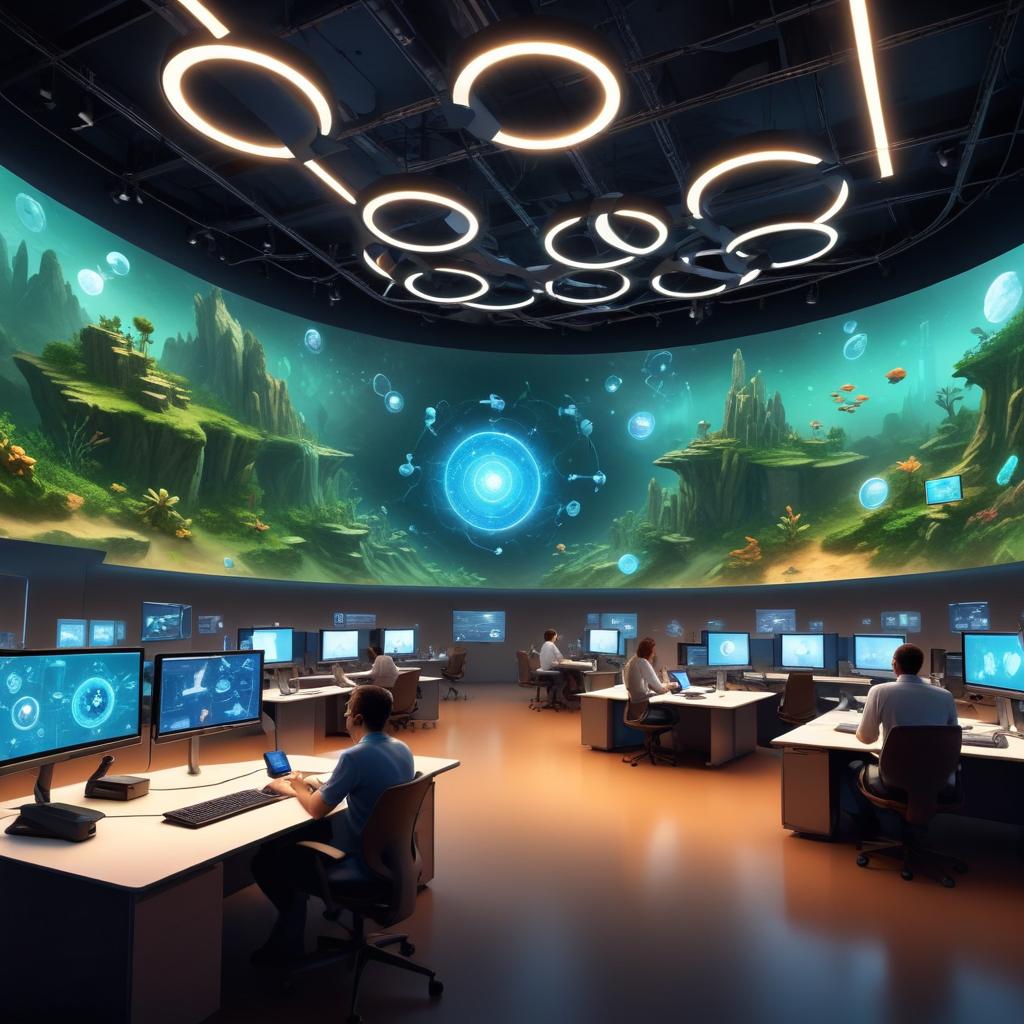
- Immersive Virtual and Augmented Reality (VR/AR) Experiences: Students can now participate in virtual field trips to historical sites, conduct simulated experiments in laboratories, or collaborate on 3D design projects, regardless of their physical location. These immersive experiences significantly enhance engagement and knowledge retention.
- Real-Time Translation and Communication Tools: Language barriers are being broken down with integrated translation tools that facilitate seamless communication between students from different linguistic backgrounds. Platforms like LinguaConnect (a fictional but representative example) automatically translate spoken and written communication in real-time, fostering more natural and spontaneous interactions.
- Enhanced Cybersecurity and Data Privacy: With increased connectivity comes increased responsibility. Robust cybersecurity measures and strict data privacy protocols are paramount to ensure the safety and security of student information. Institutions are investing heavily in advanced encryption, multi-factor authentication, and ongoing cybersecurity training for educators.
Pedagogical Shifts: Fostering Collaboration and Cultural Understanding
The success of global classrooms hinges not just on technology, but also on effective pedagogical strategies. Experts recommend a shift towards:
Project-Based Learning (PBL) with a Global Focus
PBL encourages students to work collaboratively on real-world problems that have global implications. For example, students from different countries might collaborate on a project to develop sustainable solutions for water scarcity or to design a campaign to promote cultural understanding. Professor Kenji Tanaka, a pioneer in global PBL at the University of Tokyo, notes, “The key is to design projects that require students to leverage their diverse cultural perspectives and skill sets to achieve a common goal.”
Culturally Responsive Teaching (CRT)
CRT recognizes and values the diverse cultural backgrounds of students, incorporating their experiences and perspectives into the curriculum. It involves understanding different learning styles, communication patterns, and cultural norms. Dr. Maria Rodriguez, an expert in CRT at the University of California, Berkeley, advises educators to, “Create a classroom environment where all students feel respected, valued, and empowered to share their unique perspectives.” This includes being mindful of potential biases in curriculum materials and fostering open discussions about cultural differences.
Developing Digital Literacy and Global Citizenship
Global classrooms provide an ideal setting for developing digital literacy skills, including critical thinking, information evaluation, and online safety. Furthermore, they foster a sense of global citizenship by encouraging students to engage with global issues, appreciate diverse perspectives, and develop a sense of responsibility towards the world. This involves teaching students how to critically evaluate information from different sources, how to communicate effectively across cultures, and how to participate responsibly in online communities.
Addressing the Challenges: Equity, Access, and Teacher Training
Despite the immense potential of global classrooms, significant challenges remain. Addressing these challenges is crucial to ensuring that all students have access to a high-quality global learning experience.
Bridging the Digital Divide
Access to reliable internet and technology remains a significant barrier for many students, particularly in developing countries. Initiatives like global partnerships between educational institutions and technology companies are crucial to providing affordable access to technology and internet connectivity. Furthermore, offline learning resources and blended learning models can help to bridge the digital divide.
Ensuring Equitable Access and Inclusion
Global classrooms must be designed to be inclusive and accessible to all students, regardless of their background, abilities, or learning styles. This includes providing accommodations for students with disabilities, offering language support services, and addressing potential biases in curriculum materials. Professor Emily Carter, a specialist in inclusive education at Harvard University, stresses that, “Equity is not about giving everyone the same thing; it’s about giving everyone what they need to succeed.”
Investing in Teacher Training and Professional Development
Educators need to be equipped with the skills and knowledge necessary to effectively facilitate global classrooms. This includes training in online pedagogy, culturally responsive teaching, and the use of technology tools. Ongoing professional development is essential to keep educators up-to-date on the latest trends and best practices in global education. Dr. David Lee, a leading expert in teacher training at Stanford University, recommends, “Focusing on developing teachers’ intercultural competence and their ability to facilitate meaningful cross-cultural interactions.”
The Role of International Collaboration and Partnerships
The success of global classrooms relies heavily on international collaboration and partnerships between educational institutions, governments, and organizations. These partnerships can facilitate the sharing of resources, expertise, and best practices. Joint curriculum development, teacher exchange programs, and collaborative research projects can enhance the quality of global learning experiences. Organizations like UNESCO and the World Bank play a vital role in promoting international collaboration and supporting the development of global education initiatives.
Furthermore, the development of open educational resources (OER) and the sharing of curriculum materials across borders can help to reduce costs and increase access to high-quality educational content. This collaborative approach ensures that global classrooms can continue to evolve and adapt to the ever-changing needs of learners in the 21st century.
Looking Ahead: The Future of Global Learning
As technology continues to advance and the world becomes increasingly interconnected, collaborative online classrooms will play an even more vital role in shaping the future of education. We can expect to see further integration of AI, VR/AR, and other emerging technologies, leading to even more immersive and personalized learning experiences. The focus will continue to shift towards developing students’ critical thinking skills, creativity, and adaptability, preparing them to thrive in a rapidly changing global landscape. By embracing collaboration, innovation, and a commitment to equity and inclusion, we can unlock the full potential of global classrooms to build a more connected, informed, and compassionate world.
You Might Also Like
- Unlocking the Terahertz Spectrum: The Foundation of 6G
- The Technological Pillars of Cross-Platform Dominance
- Enhanced Climate Modeling and Forecasting
- The Quantum Leap: Enhanced Capabilities and New Frontiers
- Solar Energy: Beyond Silicon and Towards Ubiquity
Frequently Asked Questions (FAQ)
What makes a learning environment 'immersive'?
An immersive learning environment uses technologies like VR/AR to create a stimulating, engaging experience where users feel present in the learning scenario, enhancing knowledge retention.
How does 'intelligent' enhance learning environments?
Intelligent learning environments utilize AI to personalize learning paths, provide adaptive feedback, and automate administrative tasks, optimizing the learning experience for each student.
What technologies underpin these new learning environments?
Key technologies include Artificial Intelligence (AI), Virtual Reality (VR), Augmented Reality (AR), cloud computing, data analytics, and personalized learning platforms.