Symbiotic Spaces: Shaping Experiences Through Interactive Installations
Symbiotic Spaces: Shaping Experiences Through Interactive Installations
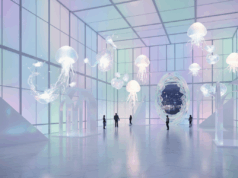
In 2025, interactive installations have transcended mere novelty and become integral to how we experience spaces, learn, and connect with art. No longer passive observers, audiences are active participants, shaping the narrative and influencing the environment itself. This article delves into the latest trends and innovations, drawing on insights from leading artists, designers, and technologists.
While touchscreens and motion sensors remain prevalent, the focus has shifted towards more nuanced and multi-sensory engagement, powered by advanced AI. Dr. Anya Sharma, a pioneer in AI-driven art installations at MIT, explains:
“We’re moving beyond simple cause-and-effect interactions. The goal is to create truly responsive environments that understand and react to a user’s emotional state, physiological data, and even subtle environmental cues. Think installations that adjust lighting and sound based on your heart rate, or generate visuals inspired by your vocal tone.”
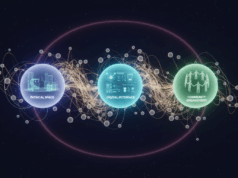
This “Sensory AI” is manifested in installations that utilize:
- Biofeedback Sensors: Integrating heart rate monitors, EEG headsets, and galvanic skin response sensors to translate physiological data into dynamic changes in the artwork. Examples include installations that visualize stress levels through shifting color palettes or generate calming soundscapes based on relaxation patterns.
- Acoustic Ecology Mapping: Analyzing ambient sounds to create responsive audio environments. Installations might amplify natural sounds, filter out noise pollution, or even generate original compositions based on the acoustic footprint of the space.
- Olfactory Displays: While still in its nascent stages, olfactory displays are beginning to emerge, allowing installations to trigger specific emotions or memories through carefully curated scents. These are often combined with visual and auditory elements for a more holistic sensory experience.
Expert Recommendation: Ethical Considerations in Sensory AI
Dr. Sharma emphasizes the importance of ethical considerations when designing installations that collect and interpret personal data. “Transparency is key. Users need to understand what data is being collected, how it’s being used, and have the option to opt out. We also need to be mindful of potential biases in AI algorithms and ensure that the installation is accessible and inclusive for all users.”
Spatial Computing and the Blurring of Physical and Digital Realities
The widespread adoption of augmented reality (AR) and mixed reality (MR) technologies has revolutionized interactive installations. Spatial computing allows artists and designers to seamlessly blend physical and digital elements, creating immersive experiences that transcend the limitations of traditional displays. Professor Kenji Tanaka, a specialist in spatial computing at the University of Tokyo, notes:
“Spatial computing enables us to create installations that are truly integrated into the physical environment. Instead of viewing a screen, users interact with virtual objects that appear to exist in the real world. This opens up new possibilities for storytelling, education, and even therapeutic interventions.”
Examples of spatial computing applications in interactive installations include:
- AR Overlays on Historical Sites: Allowing visitors to experience historical events or view reconstructions of ancient buildings through AR-enabled devices.
- Interactive Digital Sculptures: Creating virtual sculptures that respond to the movements and gestures of viewers, blurring the line between the physical and digital realms.
- Gamified Learning Environments: Transforming classrooms or museums into interactive game spaces, where users can learn through exploration and problem-solving.
Expert Recommendation: Leverage the Power of Persistent Spatial Anchors
Professor Tanaka recommends utilizing persistent spatial anchors to create AR experiences that are truly location-aware. “Persistent anchors allow users to return to the same location and seamlessly resume their interaction with the AR content. This is crucial for creating long-lasting and engaging experiences.”
Community-Driven Installations: Co-Creation and Collective Storytelling
The shift towards participatory culture has led to a growing trend of community-driven installations, where audiences are not just passive participants but active co-creators. These installations empower individuals to contribute their own stories, ideas, and perspectives, fostering a sense of collective ownership and shared experience. Sarah Chen, a community artist based in Berlin, explains:
“The most impactful installations are those that reflect the voices and experiences of the community they serve. By empowering individuals to contribute their own stories, we can create artworks that are truly meaningful and relevant.”
Examples of community-driven installations include:
- Interactive Mapping Projects: Allowing residents to annotate maps with their own personal stories, memories, and experiences of a particular neighborhood.
- Collaborative Digital Murals: Providing a platform for individuals to contribute their own artwork or messages to a shared digital canvas.
- Storytelling Pods: Creating interactive spaces where individuals can record and share their personal stories, which are then integrated into a larger narrative.
Expert Recommendation: Design for Inclusivity and Accessibility
Sarah Chen stresses the importance of designing community-driven installations with inclusivity and accessibility in mind. “We need to ensure that everyone has the opportunity to participate, regardless of their background, skills, or abilities. This means providing a range of different input methods, offering multilingual support, and creating a welcoming and inclusive environment.”
The Future of Interactive Installations: Beyond Entertainment
While entertainment remains a key application, the future of interactive installations extends far beyond mere amusement. We are seeing a growing interest in using these technologies to address pressing social and environmental challenges.
- Therapeutic Installations: Utilizing interactive technologies to provide therapeutic interventions for individuals with mental health conditions, such as anxiety, depression, and PTSD.
- Environmental Awareness Installations: Creating immersive experiences that raise awareness about climate change, pollution, and other environmental issues.
- Educational Installations: Transforming learning environments into interactive and engaging spaces, where students can learn through exploration and discovery.
As technology continues to evolve, interactive installations will undoubtedly become even more sophisticated and impactful, shaping the way we experience the world around us. The key lies in harnessing the power of technology to create meaningful and engaging experiences that promote connection, understanding, and positive change.
You Might Also Like
- The Rise of Personalized Learning Pathways
- The State of VR Gaming in 2025: Immersion Redefined
- The Pervasive Influence of Artificial Intelligence
- The Rise of Ambient Intelligence
- CRISPR-Based Therapies: Precision at the Molecular Level
Frequently Asked Questions (FAQ)
What exactly is Sensory AI?
Sensory AI goes beyond just seeing; it's about AI perceiving and understanding the world through sound, touch, smell, and taste, similar to how humans do.
How is Sensory AI different from traditional AI?
Traditional AI primarily focuses on visual and textual data. Sensory AI expands this by incorporating other senses, creating a more holistic and nuanced understanding.
What are some real-world applications of Sensory AI?
Applications include improved medical diagnostics (smell-based disease detection), advanced robotics with tactile feedback, and personalized experiences based on sound and even taste preferences.