Bridging the Digital Divide: The Maturation of NFT Art Spaces
Bridging the Digital Divide: The Maturation of NFT Art Spaces
In 2025, the concept of the NFT gallery has evolved far beyond simple online showcases. What began as a nascent experiment in digital ownership and artistic expression has blossomed into a multifaceted ecosystem, seamlessly blending the physical and virtual worlds. These spaces are no longer just about displaying digital art; they’re about fostering community, providing immersive experiences, and reshaping the very definition of art ownership and appreciation.
One of the most significant trends is the proliferation of hybrid NFT galleries. These spaces combine the tangible experience of a physical art gallery with the dynamic possibilities of digital art. Imagine walking into a gallery where physical sculptures are augmented with interactive NFT projections, or where entire rooms transform based on the digital artwork displayed. This fusion creates a richer, more engaging experience for visitors.
Augmented Reality (AR) Integration: A New Layer of Perception
AR technology plays a crucial role in hybrid galleries. By using AR-enabled devices like smart glasses or mobile phones, visitors can unlock additional layers of information and interaction with the artwork. This might include artist interviews, provenance details, or even the ability to virtually “own” a piece of the NFT and see it displayed in their own home through AR overlays. Galleries are leveraging AR to create personalized and deeply engaging experiences, making art more accessible and understandable for a wider audience.
Dynamic Displays: Adapting to the Digital Canvas
The static nature of traditional art galleries is a thing of the past. Hybrid NFT galleries utilize dynamic displays, such as large-scale LED walls and holographic projections, to showcase the ever-changing nature of digital art. These displays can adapt to the artwork’s color palette, movement, and even respond to viewer interaction. This dynamic approach not only enhances the visual appeal of the art but also allows artists to create truly immersive and interactive installations.
Virtual Reality (VR) Galleries: Stepping into the Metaverse
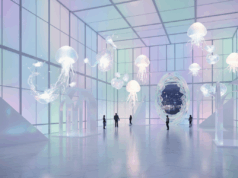
While hybrid galleries bridge the physical and digital, VR galleries offer a completely immersive experience within the metaverse. These digital spaces allow users to explore meticulously crafted virtual environments, showcasing NFT art in ways that are impossible in the physical world. Imagine wandering through a gallery floating in space, or exploring an underwater exhibition of digital coral reefs. VR galleries offer artists unparalleled creative freedom and provide viewers with truly unforgettable experiences.
Beyond the Walls: Unlimited Space and Creative Freedom
The limitations of physical space no longer apply in VR galleries. Artists can create sprawling exhibitions that span entire virtual landscapes, or design galleries that defy the laws of physics. This freedom opens up new possibilities for artistic expression and allows for the creation of truly unique and immersive environments. Furthermore, VR galleries can be accessed from anywhere in the world, democratizing access to art and culture.
Social Interaction and Community Building
VR galleries are not just about viewing art; they’re about connecting with other art enthusiasts. Many VR galleries incorporate social features, allowing visitors to interact with each other, attend virtual events, and even collaborate on digital art projects. This sense of community is crucial for fostering engagement and driving the growth of the NFT art market.
Fractional Ownership and Decentralized Art Curation
The emergence of fractional ownership has revolutionized the way people invest in and collect NFT art. Instead of having to purchase an entire NFT, individuals can now own a fraction of it, making high-value artwork more accessible to a wider range of collectors. This has also led to the rise of decentralized art curation, where communities of collectors collectively decide which NFTs to acquire and display in their virtual galleries.
DAOs and Art Collectives: Power to the People
Decentralized Autonomous Organizations (DAOs) are playing an increasingly important role in the art world. These organizations allow collectors to pool their resources and collectively curate NFT galleries. DAOs provide a transparent and democratic way to manage art collections, ensuring that the voices of all members are heard. This decentralized approach is challenging the traditional power structures of the art world and empowering artists and collectors alike.
Security and Provenance: Building Trust in the Digital Realm
As the NFT art market continues to grow, security and provenance become increasingly important. Galleries are implementing advanced security measures, such as multi-signature wallets and decentralized storage solutions, to protect against theft and fraud. They are also working to establish clear and verifiable provenance records for each NFT, ensuring that collectors can trust the authenticity and ownership of their digital assets. Technologies like zero-knowledge proofs are also being used to verify ownership without revealing the owner’s identity, enhancing privacy.
Practical Applications and Future Trends
The impact of NFT galleries extends far beyond the art world. They are being used for educational purposes, allowing students to explore historical artifacts and artworks in immersive virtual environments. They are also being used for marketing and branding, allowing companies to create engaging experiences for their customers. Looking ahead, we can expect to see even more innovative applications of NFT galleries, including:
- Personalized Art Recommendations: AI-powered algorithms will analyze user preferences and recommend NFTs that align with their taste, making it easier to discover new artists and artwork.
- Interactive Storytelling: NFTs will be used to create interactive narratives, where viewers can influence the story by purchasing and interacting with specific digital assets.
- Gamified Art Experiences: NFT galleries will incorporate game mechanics, such as puzzles and challenges, to make the art viewing experience more engaging and rewarding.
- Integration with the Metaverse: NFT galleries will become seamlessly integrated with the broader metaverse, allowing users to easily transfer their digital assets between different virtual worlds.
- The Rise of Generative Art Galleries: Galleries dedicated to showcasing generative art, where algorithms create unique and evolving artworks in real-time, will become increasingly popular.
The maturation of NFT art spaces represents a significant shift in the way we create, consume, and interact with art. By bridging the digital divide and embracing new technologies, these galleries are paving the way for a more inclusive, accessible, and engaging art world.