The Algorithmic Muse: Navigating the New Landscape of AI-Assisted Art
The Algorithmic Muse: Navigating the New Landscape of AI-Assisted Art
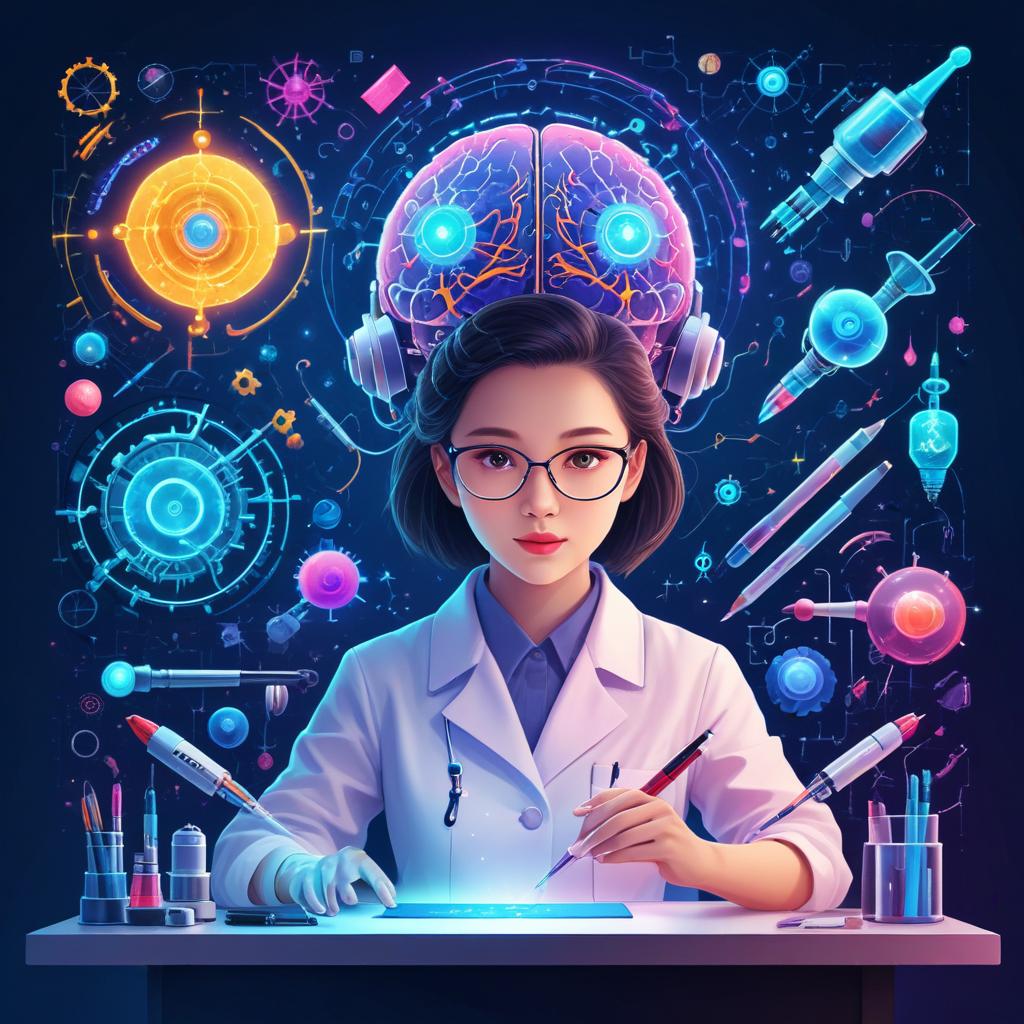
The year is 2025, and the integration of Artificial Intelligence (AI) into the artistic realm is no longer a futuristic fantasy; it’s the established norm. From seasoned professionals to burgeoning hobbyists, artists across disciplines are leveraging the power of AI to unlock new creative avenues, streamline their workflows, and challenge the very definition of artistry. But this transformative shift comes with its own set of complexities, ethical dilemmas, and evolving best practices. This article delves into the multifaceted impact of AI on creativity, exploring the tools, techniques, and considerations shaping the future of art.
The market for AI-powered art tools has exploded in recent years, offering a diverse range of functionalities catering to different artistic needs. Gone are the days of clunky, limited interfaces. Today’s AI art platforms boast intuitive user experiences, advanced customization options, and seamless integration with existing creative software.
Text-to-Image Generation: Beyond the Hype
Text-to-image generation remains a cornerstone of AI art, but the technology has matured significantly. Models like DALL-E 3.5 and Imagen 2.0 are capable of producing photorealistic images with unparalleled detail and stylistic nuance. More importantly, they understand complex prompts with greater accuracy, allowing artists to translate even the most abstract concepts into tangible visuals. Furthermore, techniques like ControlNet-guided generation have become commonplace, giving artists precise control over the composition, structure, and style of the generated images. This allows for incorporating existing sketches or reference images to guide the AI, resulting in a more collaborative and personalized creative process.
AI-Assisted Painting and Illustration
AI is not just about generating images from scratch; it’s also revolutionizing the way artists paint and illustrate. AI-powered brushes and filters can mimic the styles of master painters, automate tedious tasks like color correction and perspective correction, and even generate entirely new textures and patterns. Adobe Sensei, for example, offers a suite of AI-powered features within Photoshop and Illustrator that significantly accelerate the creative workflow. Artists can now experiment with different styles and techniques with unprecedented speed and ease, allowing them to focus on the more nuanced aspects of their work.
Music Composition and Sound Design
The impact of AI extends beyond the visual arts. AI-powered music composition tools can generate original melodies, harmonies, and rhythms based on user-defined parameters such as genre, tempo, and mood. Platforms like Amper Music 3.0 and Jukebox Pro are being used by composers and sound designers to create soundtracks for films, video games, and advertisements. Furthermore, AI is also being used to enhance existing musical recordings, removing noise, improving audio quality, and even generating realistic vocal harmonies.
The Evolving Role of the Artist
The rise of AI art has sparked a debate about the role of the artist in the creative process. Is AI a threat to human creativity, or a powerful tool that can augment and enhance it? The prevailing consensus is that AI is best viewed as a collaborator, not a replacement, for human artists.
The Curator and Editor
In many cases, the artist’s role is shifting from that of a creator to that of a curator and editor. AI can generate a vast number of variations based on a single prompt, but it’s up to the artist to select the most promising outputs, refine them, and integrate them into a cohesive artistic vision. This requires a keen eye for detail, a deep understanding of artistic principles, and the ability to discern quality from quantity.
The Prompt Engineer
The ability to craft effective prompts is becoming an increasingly valuable skill in the age of AI art. Prompt engineering involves carefully crafting text prompts that guide the AI towards the desired outcome. This requires a deep understanding of the AI’s capabilities and limitations, as well as the ability to articulate artistic concepts in a clear and concise manner. Artists are now experimenting with different prompting techniques, such as using negative prompts to exclude unwanted elements, and employing iterative prompting to gradually refine the generated image.
The Hybrid Artist
Many artists are embracing a hybrid approach, combining AI-generated elements with traditional artistic techniques. For example, an artist might use AI to generate a base image, then refine it using digital painting tools or even incorporate it into a physical sculpture. This hybrid approach allows artists to leverage the unique strengths of both AI and human creativity, resulting in artwork that is both innovative and deeply personal.
Ethical Considerations and Challenges
The rapid advancement of AI art raises a number of ethical considerations that must be addressed. These include issues of copyright, bias, and the potential for misuse.
Copyright and Ownership
The question of who owns the copyright to AI-generated artwork remains a complex and contentious issue. Current legal frameworks vary across jurisdictions, but the general trend is towards granting copyright to the human who provided the prompts and curated the final artwork, provided that they made significant creative contributions. However, this is an evolving area of law, and further clarification is needed to provide clear guidelines for artists and developers.
Bias and Representation
AI models are trained on vast datasets of images and text, which can reflect existing biases in society. This can lead to AI-generated artwork that perpetuates harmful stereotypes or excludes certain groups. Developers are working to mitigate these biases by curating more diverse datasets and implementing fairness-aware algorithms. However, it’s important for artists to be aware of these biases and to critically evaluate the outputs of AI models to ensure that they are not contributing to harmful representations.
The Potential for Misuse
AI art can be used to create deepfakes, generate propaganda, and even impersonate artists without their consent. It’s crucial to develop safeguards to prevent the misuse of this technology and to hold accountable those who use it for malicious purposes. Watermarking and provenance tracking technologies are being developed to help identify AI-generated content and trace its origin.
The Future of Art Education
The integration of AI into the artistic landscape necessitates a rethinking of art education. Students need to be equipped with the skills and knowledge to effectively leverage AI tools, understand the ethical implications of AI art, and develop their own unique artistic voices in the age of algorithms.
AI Literacy for Artists
Art schools are now incorporating AI literacy into their curricula, teaching students how to use AI tools, understand the underlying algorithms, and critically evaluate the outputs. This includes training in prompt engineering, AI ethics, and the legal aspects of AI art. The goal is to empower students to become responsible and innovative users of AI technology.
Focus on Creative Thinking and Conceptualization
While AI can automate many technical tasks, it cannot replace the human capacity for creative thinking and conceptualization. Art education is placing greater emphasis on developing these skills, encouraging students to experiment with different ideas, explore new concepts, and develop their own unique artistic visions. The ability to think critically, solve problems, and communicate effectively is becoming increasingly important in the age of AI.
Hybrid Learning Models
Many art schools are adopting hybrid learning models that combine traditional art techniques with AI-assisted methods. This allows students to learn the fundamentals of art while also exploring the potential of AI technology. For example, students might learn how to paint using traditional techniques, then use AI to generate variations of their paintings or explore different stylistic approaches.
Embracing the Algorithmic Muse
AI is transforming the creative landscape in profound ways, offering artists new tools, techniques, and possibilities. While the ethical considerations and challenges are significant, the potential benefits are immense. By embracing AI as a collaborator and developing the skills and knowledge to navigate this new landscape, artists can unlock their full creative potential and shape the future of art.
You Might Also Like
- The Power of Narrative: Storytelling Redefined
- The Rise of Ambient Intelligence and Personalized Environments
- The Metaverse Classroom: Immersion and Interaction
- Hyper-Personalization: The Core of the Learning Experience
- The Haptic Revolution: Feeling is Believing
Frequently Asked Questions (FAQ)
Will AI art replace human artists?
AI tools augment creativity, assisting artists rather than replacing them entirely. Human input and artistic vision remain crucial.
Are AI-generated creations copyrightable?
Copyright law regarding AI-generated art is still evolving, with ownership often tied to the human input and creative direction involved.
How can I use AI creative tools ethically?
Be transparent about using AI, avoid plagiarism, and respect the original artists and datasets that contribute to AI's learning.