Immersive Canvas: How Virtual Reality is Redefining Contemporary Art in 2025
Immersive Canvas: How Virtual Reality is Redefining Contemporary Art in 2025
Virtual reality (VR) has moved beyond its initial gaming and entertainment applications to become a powerful force reshaping the landscape of contemporary art. By 2025, VR is no longer a niche novelty but a core medium embraced by artists, galleries, and collectors alike. The ability to create and experience art in fully immersive, interactive environments is pushing the boundaries of artistic expression and audience engagement in unprecedented ways.
The journey of VR in art began with experimental projects exploring the medium’s potential. Early adopters faced limitations in hardware and software, but the rapid advancements of the past few years have unlocked new possibilities. High-resolution headsets, improved tracking systems, and intuitive creation tools have empowered artists to realize their visions with greater fidelity and control. The widespread adoption of 5G and the rise of edge computing have also played a significant role, enabling seamless streaming and interactive experiences even with graphically demanding VR Artworks.
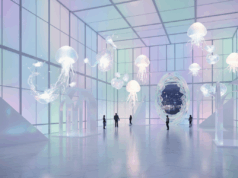
Today, VR art is increasingly featured in major art institutions and commercial galleries. Leading museums have dedicated spaces for VR installations, attracting diverse audiences eager to explore this emerging art form. Online VR art platforms and marketplaces have also proliferated, providing artists with new avenues for showcasing and selling their work to a global audience.
Key Trends Shaping VR Art in 2025
The Rise of Generative VR Art
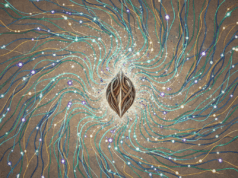
AI and machine learning are playing an increasingly crucial role in VR art. Generative algorithms are being used to create dynamic and evolving artworks that respond to user interaction or environmental data. Artists are leveraging AI to generate complex textures, patterns, and forms, pushing the boundaries of what is possible through traditional Digital Art techniques. Imagine a VR sculpture that morphs and changes based on the viewer’s gaze or a landscape that evolves in real-time based on global weather patterns.
Collaborative VR Art Creation
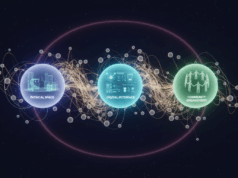
VR is fostering new forms of artistic collaboration. Artists from different geographical locations can now work together in shared virtual environments, building sculptures, painting murals, or composing music in real-time. This collaborative approach is breaking down geographical barriers and enabling artists to explore new creative synergies. Furthermore, audience participation is becoming increasingly integrated into the creative process, blurring the lines between artist and viewer.
The Metaverse and the Democratization of Art
The metaverse is providing a fertile ground for VR art to flourish. Virtual worlds offer artists unparalleled freedom to create immersive environments and interactive experiences. The decentralized nature of many metaverse platforms empowers artists to control their creations and connect directly with their audience, bypassing traditional gatekeepers. The rise of NFTs (Non-Fungible Tokens) has also revolutionized the art market, providing artists with a secure and transparent way to monetize their VR creations. Virtual galleries and museums within the metaverse are becoming increasingly popular, offering visitors access to a vast collection of VR artworks from around the world.
Biometric Integration and Personalized Art Experiences
The integration of biometric sensors into VR headsets is enabling artists to create personalized art experiences that respond to the viewer’s emotional and physiological state. Heart rate, brainwave activity, and eye-tracking data can be used to dynamically alter the artwork in real-time, creating a truly unique and immersive experience for each individual. This technology has the potential to revolutionize art therapy, allowing therapists to tailor VR experiences to address specific emotional and psychological needs.
Haptic Feedback and Sensory Immersion
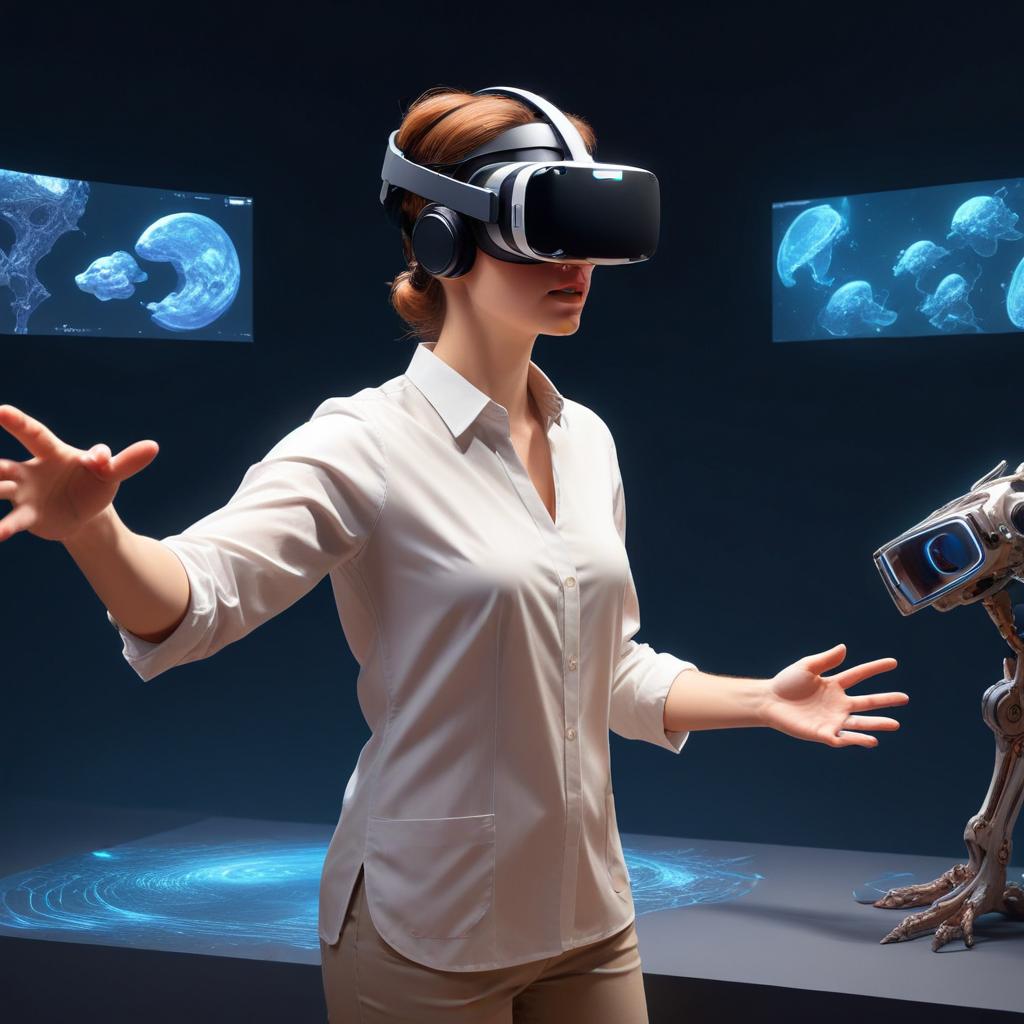
While visual immersion is a key component of VR art, the integration of haptic feedback is adding a new layer of realism and engagement. Haptic suits and gloves allow viewers to physically feel the textures, shapes, and forces within the virtual environment. This technology is particularly impactful for sculptural and installation art, allowing viewers to truly interact with the artwork in a tactile way. The development of more affordable and accessible haptic devices is expected to further accelerate the adoption of this technology in the coming years.
Challenges and Opportunities for VR Artists
Despite the immense potential of VR art, artists still face several challenges. The cost of VR hardware and software can be a barrier to entry for some. The technical complexity of creating VR artworks requires specialized skills and knowledge. Ensuring accessibility for viewers with disabilities is also a crucial consideration. However, overcoming these challenges will unlock even greater opportunities for artists to create impactful and transformative experiences.
Specifically, the challenges include:
- Accessibility: Ensuring VR art is accessible to people with disabilities (visual, auditory, motor). Development of adaptive VR experiences is crucial.
- Hardware Costs: While decreasing, the cost of high-end VR headsets and haptic devices remains a barrier for some artists and audiences.
- Digital Divide: Unequal access to high-speed internet and necessary technology limits participation in VR art creation and appreciation, especially in developing countries.
- Motion Sickness: Some users experience motion sickness in VR. Artists need to design experiences that minimize this effect.
- Content Discovery: With the proliferation of VR content, discoverability of relevant and high-quality VR art becomes increasingly challenging.
On the other hand, the opportunities are vast:
- New Creative Avenues: VR allows artists to explore new forms of expression and storytelling that are impossible in traditional mediums.
- Global Reach: VR art can be easily shared and experienced by audiences around the world, breaking down geographical barriers.
- Direct Artist-Audience Connection: VR platforms allow artists to connect directly with their audience, fostering a sense of community and collaboration.
- Monetization Opportunities: NFTs and virtual galleries provide artists with new ways to monetize their VR creations.
- Educational Applications: VR art can be used in educational settings to create immersive and engaging learning experiences.
The Future of Art is Immersive
As VR technology continues to evolve, its impact on contemporary art will only become more profound. We can expect to see further integration of AI, haptic feedback, and biometric sensors, leading to increasingly immersive and personalized art experiences. The metaverse will continue to be a key platform for VR art, providing artists with new opportunities to create and connect with their audience. Ultimately, VR is not just a new medium for art; it is a catalyst for reimagining the very nature of artistic expression and audience engagement. The future of art is immersive, interactive, and deeply personal.
You Might Also Like
- The AI-Powered Visual Renaissance
- The Rise of Personalized AI-Driven Therapy
- The Power of Next-Gen Biometric Sensors
- The State of Crossplay in 2025: Beyond the Initial Hype
- The Rise of Autonomous Operations and BVLOS Flights
Frequently Asked Questions (FAQ)
What were some of the early challenges for VR art?
Early challenges included limited technology, accessibility of VR headsets, and a lack of established artistic tools and workflows specifically designed for VR creation.
How has VR art become more mainstream?
Increased affordability and sophistication of VR technology, coupled with the development of user-friendly creative software, have broadened accessibility and appeal, leading to wider adoption and recognition.
What are some examples of VR art's impact on traditional art forms?
VR art is influencing fields like sculpture, painting, and performance art by offering new perspectives on spatial awareness, immersive storytelling, and interactive audience experiences.