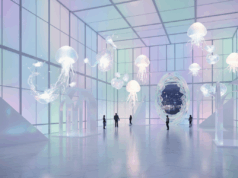
Unleashing Creative Potential: AI as a Design Partner in 2025
Unleashing Creative Potential: AI as a Design Partner in 2025
The creative landscape in 2025 is barely recognizable compared to even a few years ago. Artificial intelligence is no longer a futuristic concept but a ubiquitous tool, deeply interwoven into the workflows of designers, artists, musicians, and architects across the globe. This isn’t about AI replacing human creativity; it’s about augmentation, collaboration, and unlocking previously unimaginable possibilities.
The initial wave of AI Design tools focused on automation – repetitive tasks like image upscaling, background removal, and basic layout generation. However, the AI of 2025 boasts sophisticated generative capabilities and learning algorithms that allow for genuine creative input. We’ve moved beyond simple automation to true co-creation.
Generative AI: From Prompts to Masterpieces
Generative AI platforms are now incredibly refined. Users can input complex prompts, incorporating specific styles, themes, and even emotional nuances, and the AI will generate multiple design options. The key advancements include:
- Fine-grained Control: Designers can now exert precise control over various aspects of the generated output, including color palettes, material textures, lighting conditions, and even subtle variations in character expressions.
- Style Transfer Mastery: AI can seamlessly blend multiple artistic styles, creating truly unique and innovative visuals. Imagine combining the brushstrokes of Van Gogh with the geometric precision of Mondrian, all within a single image.
- Iterative Refinement: A crucial feature is the ability to iteratively refine the AI’s output through continuous feedback loops. Designers can highlight specific areas for improvement, provide targeted instructions, and watch as the AI dynamically adapts its creation.
- Multi-Modal Input: Current systems accept text, images, audio, and even 3D models as input, allowing for incredibly diverse and nuanced prompts. For example, a designer could hum a melody, upload a sketch, and provide a textual description to generate a series of album cover designs.
Beyond Visuals: AI Across Creative Disciplines
The impact of AI extends far beyond graphic design. Here’s how it’s transforming other creative fields:
- Music Composition: AI can generate original melodies, harmonies, and rhythms based on user-defined parameters. Composers can use AI to overcome creative blocks, explore new musical ideas, and even create personalized soundtracks tailored to individual listener preferences. Advanced AI models can now emulate the styles of specific composers with remarkable accuracy.
- Architecture: AI algorithms can analyze site data, building codes, and environmental factors to generate optimal building designs. AI can also create virtual walkthroughs and simulations, allowing architects to visualize and refine their designs in real-time. Sustainability is a major focus, with AI optimizing designs for energy efficiency and resource conservation.
- Fashion Design: AI can analyze fashion trends, predict consumer demand, and generate unique clothing designs. Virtual try-on technologies, powered by AI, allow consumers to see how clothes will look on them before making a purchase, reducing returns and promoting sustainable consumption.
- Game Development: AI is used to create realistic character animations, generate diverse game environments, and even design compelling storylines. AI-powered NPCs (Non-Player Characters) can now exhibit complex behaviors and adapt to player actions, creating more immersive and engaging gaming experiences.
- Writing and Storytelling: AI assists writers in brainstorming ideas, developing plotlines, and even generating drafts of text. While AI cannot yet replace human writers entirely, it can serve as a powerful tool for overcoming writer’s block and exploring different narrative possibilities.
Practical Applications: Real-World Examples
The theoretical benefits of AI-assisted design are compelling, but how is it being used in practice? Here are some concrete examples:
- Personalized Marketing Campaigns: AI analyzes customer data to generate highly targeted and personalized marketing materials, including advertisements, emails, and social media posts. This leads to higher engagement rates and improved conversion rates.
- Rapid Prototyping: AI accelerates the design process by quickly generating multiple prototypes based on user feedback. This allows designers to iterate more rapidly and identify the most promising solutions.
- Accessibility Design: AI is used to create accessible designs that cater to individuals with disabilities. For example, AI can automatically generate captions for videos, create alt text for images, and optimize website layouts for screen readers.
- Content Creation for Social Media: AI can automatically generate engaging content for social media platforms, including images, videos, and text captions. This frees up designers to focus on more strategic and creative tasks.
- Customizable Product Design: AI allows consumers to personalize products to their exact specifications. For example, customers can use AI to design their own shoes, furniture, or even personalized artwork.
Collaboration: The Human-AI Partnership
The most successful applications of AI in design involve a close collaboration between human designers and AI systems. AI is not meant to replace human creativity but to augment it. Designers bring their domain expertise, critical thinking skills, and emotional intelligence to the table, while AI provides the computational power, data analysis capabilities, and generative potential.
Defining the Designer’s Role in the Age of AI
The role of the designer is evolving from that of a creator to that of a curator, director, and strategist. Key responsibilities include:
- Prompt Engineering: Crafting effective prompts that guide the AI’s creative process. This requires a deep understanding of the AI’s capabilities and limitations.
- Curating and Refining AI Output: Selecting the most promising outputs from the AI and refining them to meet specific design goals.
- Providing Feedback and Guidance: Training the AI to better understand the designer’s aesthetic preferences and creative vision.
- Ensuring Ethical Considerations: Addressing potential biases in AI algorithms and ensuring that designs are inclusive, accessible, and ethically sound.
- Strategic Integration: Identifying the best ways to integrate AI into the overall design workflow to maximize efficiency and creativity.
The Future of AI-Assisted Design
The future of AI-assisted design is bright, with ongoing advancements promising even greater creative possibilities. Key trends to watch include:
- Increased Specialization: AI models will become increasingly specialized, catering to specific design disciplines and niche markets.
- Improved Understanding of Emotion: AI will become better at understanding and responding to human emotions, allowing for the creation of more emotionally resonant designs.
- Seamless Integration with Existing Tools: AI will be seamlessly integrated into existing design software, making it easier for designers to incorporate AI into their workflows.
- Decentralized AI: The rise of decentralized AI platforms will empower designers to train and deploy their own AI models, giving them greater control over the creative process.
- Ethical AI Development: Increased focus on developing ethical AI algorithms that are fair, transparent, and accountable.
Ultimately, the success of AI in creative fields will depend on how well we can harness its power to augment human creativity and unlock new possibilities. By embracing AI as a design partner, we can create a future where design is more innovative, accessible, and impactful than ever before.
You Might Also Like
- The Rise of Microlearning: Why It Works for the Modern Learner
- The Ascent of Interactive and Adaptive Learning
- The Shift Towards Personalized Wellbeing
- The Dawn of Intelligent Agents: From Scripted Responses to Adaptive Behavior
- The Evolution of Biosensor Technology: Beyond Heart Rate and Steps
Frequently Asked Questions (FAQ)
How have AI design tools improved recently?
AI now offers more sophisticated automation, personalized design suggestions based on user data, and better integration across different design platforms.
Are AI design tools replacing human designers?
No, AI tools augment human creativity. They automate repetitive tasks, generate ideas, and provide insights, but designers retain control and creative direction.
What skills are important for designers in the age of AI?
Critical thinking, creative problem-solving, understanding user experience, and the ability to effectively use and interpret AI-generated outputs are crucial.