Augmented Realities: The Symbiotic Evolution of Physical and Digital Exhibition Spaces
Augmented Realities: The Symbiotic Evolution of Physical and Digital Exhibition Spaces
By 2025, the traditional boundaries between physical and digital exhibition spaces have become increasingly blurred, giving rise to sophisticated and engaging hybrid experiences. No longer simply a reaction to the pandemic, this evolution represents a fundamental shift in how we interact with art, history, and information. This article delves into the key trends, technologies, and considerations shaping the future of hybrid exhibitions, offering a comprehensive analysis of their impact and potential.
Several factors are driving the adoption of hybrid exhibition models:
- Enhanced Accessibility: Digital components extend the reach of exhibitions beyond geographical limitations, enabling global audiences to participate regardless of their physical location. Multilingual support, alternative text for images, and audio descriptions are becoming standard, ensuring inclusivity for diverse audiences.
- Personalized Experiences: AI-powered recommendation systems and personalized content delivery cater to individual visitor interests and learning styles. Visitors can curate their own journeys through the exhibition, focusing on aspects that resonate most with them.
- Data-Driven Insights: Hybrid exhibitions generate valuable data on visitor behavior, preferences, and engagement levels. This data informs future exhibition design, content creation, and marketing strategies, leading to continuous improvement and optimization.
- Increased Engagement: Interactive installations, gamified elements, and augmented reality overlays enhance visitor engagement and create memorable experiences. These elements encourage active participation and deeper exploration of the subject matter.
- sustainability Considerations: By offering robust digital components, hybrid exhibitions can reduce the environmental impact associated with physical travel and the production of physical materials.
Key Technologies Shaping Hybrid Exhibitions in 2025
Advanced Augmented Reality (AR) Experiences
AR technology has moved beyond simple overlays and now offers immersive and interactive experiences integrated seamlessly into the physical environment. Examples include:
- Context-Aware AR: AR applications that adapt to the visitor’s location and surroundings, providing relevant information and interactive elements based on their position within the exhibition space.
- Collaborative AR: Allowing multiple visitors to interact with the same AR elements simultaneously, fostering a sense of shared discovery and collaborative learning.
- AR-Powered Storytelling: Using AR to bring historical events to life, reconstruct lost artifacts, or create immersive narratives that unfold around the visitor.

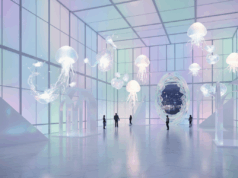
Image depicting a potential AR exhibition setup (Placeholder Image – Replace with an actual image if available).
Sophisticated Virtual Reality (VR) Integration
VR is no longer limited to standalone experiences. Hybrid exhibitions are incorporating VR in more nuanced and integrated ways:
- VR Portals: Designated VR zones within the physical exhibition space that transport visitors to different time periods, locations, or perspectives related to the subject matter.
- VR-Enhanced Physical Artifacts: Using VR to provide detailed views of fragile or inaccessible artifacts, allowing visitors to examine them in a way that would not be possible in the physical realm.
- Social VR Experiences: Connecting remote visitors with those physically present in the exhibition space through shared VR environments, fostering a sense of community and shared exploration.
Artificial Intelligence (AI) and Machine Learning (ML)
AI and ML are playing an increasingly crucial role in personalizing and optimizing the hybrid exhibition experience:
- AI-Powered Chatbots: Providing instant answers to visitor questions, guiding them through the exhibition, and offering personalized recommendations. These chatbots leverage large language models (LLMs) for natural and engaging conversations.
- ML-Driven Content Personalization: Analyzing visitor behavior and preferences to deliver tailored content, ensuring that each visitor receives a unique and relevant experience.
- AI-Enhanced Accessibility: Automatically generating captions, audio descriptions, and translations, making exhibitions accessible to a wider range of visitors.
Interactive Installations and Gamification
Engaging visitors through interactive installations and gamified elements is a key strategy for hybrid exhibitions:
- Interactive Projection Mapping: Transforming physical surfaces into dynamic canvases that respond to visitor movements and interactions.
- Gamified Quests and Challenges: Encouraging visitors to explore the exhibition in a playful and engaging way, rewarding them for completing tasks and answering questions.
- Gesture-Based Interfaces: Allowing visitors to interact with digital content using natural gestures, creating a more intuitive and immersive experience.
Challenges and Considerations
While the potential of hybrid exhibitions is immense, several challenges and considerations must be addressed:
- Technical Infrastructure: Ensuring reliable Wi-Fi connectivity, sufficient bandwidth, and robust hardware support for all digital components.
- Content Creation: Developing high-quality digital content that is both engaging and informative, requiring specialized skills and expertise.
- Accessibility: Designing digital components that are accessible to all visitors, regardless of their abilities or technological proficiency.
- Cost: Implementing hybrid exhibition technologies can be expensive, requiring careful budgeting and resource allocation.
- Maintaining the Physical Experience: Ensuring that the digital components enhance, rather than detract from, the physical exhibition experience. It’s crucial to maintain a balance and avoid overwhelming visitors with technology.
- Data Privacy and Security: Protecting visitor data and ensuring compliance with privacy regulations is paramount. Transparent data collection policies and robust security measures are essential.
- Digital Divide: Acknowledging and addressing the digital divide by offering alternative access methods for visitors who may not have access to smartphones or other digital devices.
Best Practices for Designing Effective Hybrid Exhibitions
To create successful hybrid exhibitions, consider the following best practices:
- Start with a Clear Objective: Define the goals and objectives of the exhibition and how the digital components will contribute to achieving those goals.
- Focus on the Visitor Experience: Design the exhibition from the visitor’s perspective, ensuring that the digital and physical elements work together seamlessly to create a cohesive and engaging experience.
- Prioritize Accessibility: Incorporate accessibility features from the outset, ensuring that the exhibition is inclusive and welcoming to all visitors.
- Embrace Iterative Design: Continuously test and refine the exhibition based on visitor feedback and data analytics.
- Train Staff: Provide staff with adequate training on the technologies and tools used in the exhibition, enabling them to assist visitors and troubleshoot issues.
- Promote the Hybrid Experience: Effectively communicate the benefits of the hybrid exhibition to potential visitors, highlighting the unique and engaging experiences it offers.
The Future Landscape
The evolution of hybrid exhibitions is far from over. As technology continues to advance, we can expect to see even more sophisticated and immersive experiences emerge. The integration of haptic technology, olfactory elements, and brain-computer interfaces (BCIs) are potential future directions. Furthermore, the development of more intuitive and user-friendly interfaces will make hybrid exhibitions even more accessible and engaging for a wider audience. The key will be to leverage these technologies in a thoughtful and purposeful way, always prioritizing the visitor experience and the educational or artistic goals of the exhibition.
You Might Also Like
- The Emulation Revolution: Beyond Pixel-Perfect Replication
- The Rise of LLM-Powered Conversational NPCs
- The Ubiquity of Crossplay: A New Normal
- The Triad Evolved: VR, AR, and MR in 2025
- The Rise of Immersive and Interactive Experiences
Frequently Asked Questions (FAQ)
What's the biggest reason people are switching to hybrid vehicles?
Primarily, it's better fuel economy and reduced emissions compared to traditional gasoline cars.
Are hybrids just about being eco-friendly?
No, while environmentally conscious consumers are drawn to them, many appreciate the improved performance and reduced running costs.
Is owning a hybrid more expensive in the long run?
Not necessarily. While the initial cost might be higher, lower fuel consumption and potential tax incentives can offset this over time.