Augmented Encounters: The Symbiotic Evolution of Hybrid Exhibitions
Augmented Encounters: The Symbiotic Evolution of Hybrid Exhibitions
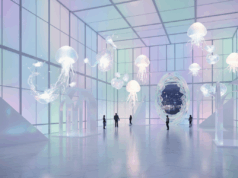
The exhibition landscape is undergoing a profound transformation. No longer confined to physical spaces, exhibitions are increasingly embracing a hybrid model, seamlessly blending the tangible and the digital to offer enriched, personalized, and globally accessible experiences. This evolution, driven by technological advancements and shifting audience expectations, is reshaping how we engage with art, history, science, and culture.
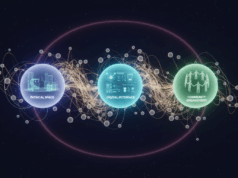
Hybrid exhibitions are not simply about digitizing existing physical exhibits. They represent a fundamental rethinking of the exhibition format, leveraging technology to enhance the physical experience and extend its reach beyond geographical boundaries. This convergence manifests in various forms:
- Augmented Reality (AR) Overlays: AR applications allow visitors to overlay digital information onto physical objects, providing contextual details, interactive simulations, and even bringing historical figures to life. Advanced AR glasses, now lighter and more discreet than previous generations, offer a hands-free, immersive experience without the need for smartphones.
- Virtual Reality (VR) Immersions: VR transports visitors to entirely new environments, recreating historical settings, exploring microscopic worlds, or even experiencing the perspective of an artist during their creative process. Wireless VR headsets with haptic feedback are becoming increasingly common, offering a more realistic and engaging sensory experience.
- Interactive Installations: These installations respond to visitor interaction, using sensors, cameras, and AI algorithms to create dynamic and personalized experiences. Examples include exhibits that adapt their narrative based on the visitor’s gaze, or virtual sculptures that evolve based on collective audience participation.
- Digital Twins and Virtual Tours: Digital twins, exact replicas of physical exhibitions created in virtual environments, allow remote visitors to explore the space at their own pace, interact with exhibits, and even participate in virtual guided tours led by avatars or live docents. These tours often incorporate gamification elements to enhance engagement.
- Personalized Content Delivery: AI-powered platforms analyze visitor data (with appropriate privacy safeguards) to tailor the exhibition experience to their individual interests and knowledge levels. This can include personalized audio guides, recommended pathways through the exhibition, and interactive quizzes that reinforce learning.
Technological Catalysts Fueling the Hybrid Revolution
Several key technologies are driving the growth and sophistication of hybrid exhibitions:
Advancements in Extended Reality (XR)
XR, encompassing AR, VR, and Mixed Reality (MR), is at the heart of the hybrid exhibition revolution. Improvements in processing power, display resolution, and tracking accuracy are making XR experiences more immersive, realistic, and accessible. Specifically, the integration of foveated rendering, which prioritizes image clarity in the user’s central field of vision, has significantly reduced the processing demands of VR applications, allowing for more complex and detailed virtual environments.
Artificial Intelligence (AI) and Machine Learning (ML)
AI and ML are playing an increasingly important role in personalizing the exhibition experience, analyzing visitor data, and creating dynamic and responsive installations. AI-powered chatbots are providing instant assistance to visitors, while ML algorithms are optimizing exhibit layouts based on visitor flow patterns. Furthermore, AI is being used to generate unique artistic content, blurring the lines between human and machine creativity.
5G and Edge Computing
The widespread availability of 5G networks and edge computing infrastructure is enabling seamless streaming of high-resolution content and low-latency interaction with virtual environments. This is particularly crucial for large-scale exhibitions that require real-time data processing and transmission. Edge computing allows for data processing to occur closer to the user, reducing latency and improving the responsiveness of interactive exhibits.
Blockchain and NFTs
Blockchain technology and Non-Fungible Tokens (NFTs) are being used to create new revenue streams for cultural institutions and to enhance visitor engagement. Museums are offering digital collectibles as souvenirs, creating limited-edition NFTs of artworks, and even using blockchain to track the provenance of artifacts. Furthermore, decentralized autonomous organizations (DAOs) are emerging as a new model for funding and governing cultural institutions, allowing community members to participate in decision-making processes.
Strategies for Successful Hybrid Exhibition Design
Creating a successful hybrid exhibition requires careful planning and a deep understanding of audience needs and technological capabilities. Key strategies include:
Prioritizing User Experience (UX)
The UX should be seamless and intuitive, regardless of whether visitors are engaging with the physical or digital components of the exhibition. This requires careful attention to interface design, navigation, and accessibility. User testing and feedback are crucial for identifying and addressing any usability issues.
Integrating Physical and Digital Narratives
The physical and digital elements of the exhibition should work together to tell a cohesive story, rather than existing as separate entities. This can be achieved by using digital elements to enhance the physical experience, or by creating virtual environments that complement the physical exhibits. The narrative should be carefully crafted to appeal to both on-site and remote audiences.
Ensuring Accessibility and Inclusivity
Hybrid exhibitions should be accessible to all visitors, regardless of their physical abilities, technological literacy, or socioeconomic background. This requires providing alternative formats for digital content, offering assistive technologies, and designing exhibits that are culturally sensitive and inclusive. Consideration should be given to providing low-tech options for visitors who may not have access to advanced technology.
Data Privacy and Security
Collecting and analyzing visitor data raises important privacy concerns. Cultural institutions must be transparent about how they are collecting and using data, and they must implement robust security measures to protect visitor information. Compliance with data privacy regulations, such as GDPR and CCPA, is essential.
Measuring Impact and ROI
It is important to track the impact of hybrid exhibitions on visitor engagement, learning outcomes, and revenue generation. This can be achieved through a variety of methods, including visitor surveys, data analytics, and social media monitoring. The return on investment (ROI) of hybrid exhibitions should be carefully evaluated to inform future planning and resource allocation.
The Future of Hybrid Exhibitions: Beyond the Screen
The future of hybrid exhibitions will likely see even greater integration of physical and digital elements, with a focus on creating truly immersive and personalized experiences. We can anticipate:
- Holographic Projections: More realistic and interactive holographic projections will become commonplace, allowing visitors to interact with virtual objects and characters in a more natural way.
- Brain-Computer Interfaces (BCIs): BCIs could potentially allow visitors to control virtual environments with their thoughts, creating a truly personalized and immersive experience. While still in its early stages, BCI technology is rapidly advancing.
- Haptic Technologies: Advanced haptic technologies will provide more realistic tactile feedback, allowing visitors to feel the textures and shapes of virtual objects. This will significantly enhance the sense of immersion in VR and AR environments.
- AI-Generated Content: AI will be used to create dynamic and personalized content that adapts to the visitor’s interests and learning style in real-time. This could include AI-generated artwork, interactive narratives, and personalized learning modules.
- The Metaverse Integration: Exhibitions will increasingly integrate with the metaverse, allowing visitors to experience them from anywhere in the world and to interact with other visitors in a shared virtual space.
Hybrid exhibitions represent a powerful new paradigm for cultural institutions and event organizers. By embracing technology and prioritizing user experience, they can create engaging, accessible, and impactful experiences that resonate with audiences both online and offline. As technology continues to evolve, the possibilities for hybrid exhibitions are limitless, promising a future where the boundaries between the physical and digital worlds become increasingly blurred.
You Might Also Like
- The Catalysts Behind the Mobile Esports Boom
- The Technological Tsunami: Powering Remote Care
- The Rise of Multi-Modal Sensing
- The Dawn of Hyper-Contextual Understanding
- The Foundation: Multi-Omics Integration
Frequently Asked Questions (FAQ)
What does 'convergence of physical and digital realms' mean?
It's the blurring line between the physical world and the digital world through technologies like IoT, AR, and AI, creating interconnected experiences.
What are some examples of this convergence in action?
Think smart homes, augmented reality shopping experiences, and self-driving cars – where physical objects and digital information interact.
What are the potential benefits of this convergence?
Increased efficiency, personalized experiences, better data-driven decision-making, and innovative new business models are some key benefits.