Art Beyond Walls: How Tech is Reshaping the Global Art Fair Experience
Art Beyond Walls: How Tech is Reshaping the Global Art Fair Experience
The global art fair landscape is undergoing a radical transformation, driven by rapid advancements in technology. No longer confined to physical spaces and traditional formats, art fairs are embracing innovative solutions to enhance accessibility, engagement, and transparency for artists, galleries, collectors, and enthusiasts alike. This evolution, accelerated by the events of the early 2020s, has solidified technology’s central role in the future of art fairs.
Virtual Reality (VR) and Augmented Reality (AR) Integration
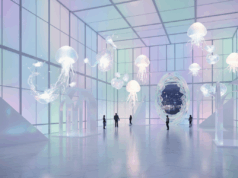
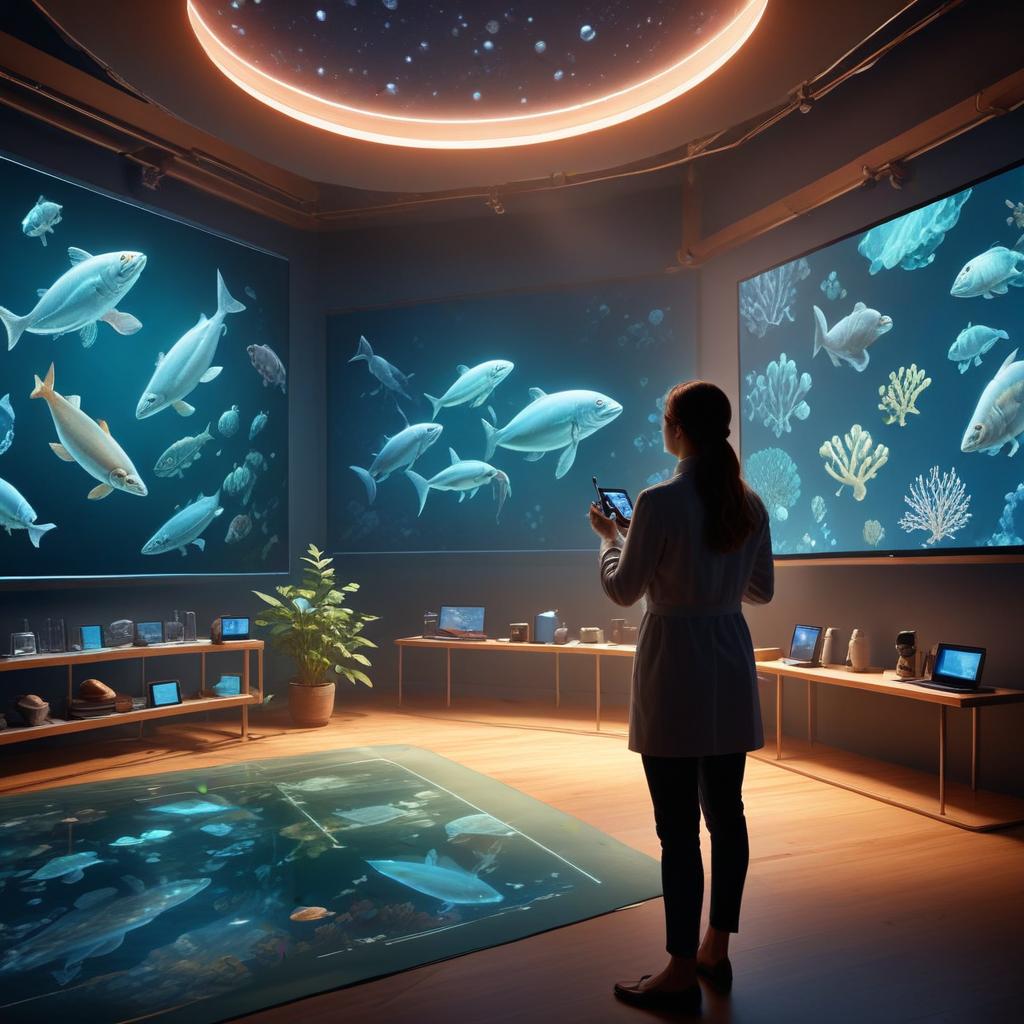
One of the most significant changes is the pervasive integration of VR and AR technologies. By 2025, most major art fairs offer fully immersive virtual tours, allowing visitors from anywhere in the world to experience the fair from the comfort of their homes. High-resolution 3D scans of artworks, coupled with spatial audio, create a realistic and engaging environment. AR applications enable viewers to visualize how artworks would look in their own spaces, overcoming the limitations of physical gallery visits. Forward-thinking galleries are even using AR to overlay additional information about the artwork, artist, and historical context directly onto the physical piece.
Personalized Visitor Journeys Powered by AI
Artificial intelligence (AI) plays a crucial role in personalizing the art fair experience. AI-powered recommendation engines analyze visitor preferences, browsing history, and past purchases to suggest relevant artworks, galleries, and events. Interactive digital maps, optimized by AI traffic flow analysis, guide visitors through the fair, minimizing congestion and maximizing exposure to desired exhibits. Chatbots provide instant assistance, answering questions about artworks, artists, and fair logistics. This level of personalization ensures that each visitor has a tailored and enriching experience.
Enhancing Transparency and Trust with Blockchain
Blockchain-Verified Provenance and Authenticity
The art world has long grappled with issues of authenticity and provenance. Blockchain technology offers a robust solution by providing an immutable record of an artwork’s history, ownership, and transactions. By 2025, blockchain-verified provenance is becoming a standard requirement for high-value artworks at major art fairs. This enhances transparency, builds trust among collectors, and reduces the risk of fraud. Secure digital certificates, linked to the physical artwork, provide irrefutable proof of authenticity.
NFTs and the Democratization of Art Ownership
Non-fungible tokens (NFTs) have revolutionized the way digital art is bought, sold, and collected. Art fairs are increasingly incorporating NFT sections, showcasing digital artworks and facilitating NFT transactions. Fractional ownership of high-value artworks, enabled by NFTs, allows a wider range of collectors to participate in the art market. Smart contracts automate royalty payments to artists, ensuring they receive fair compensation for their work. The rise of NFTs is democratizing art ownership and empowering digital artists.
The Evolution of Online Art Platforms
Hybrid Fairs: Blending Physical and Digital Experiences
The future of art fairs is undoubtedly hybrid, seamlessly blending physical and digital experiences. Online platforms complement physical events, extending their reach and accessibility. High-quality video streams of gallery presentations, artist talks, and panel discussions allow viewers to participate remotely. Interactive online catalogs provide detailed information about artworks, artists, and galleries. The hybrid model caters to both traditional collectors who value the physical experience and digital natives who prefer online engagement.
The Metaverse and Virtual Art Worlds
The metaverse is emerging as a new frontier for art fairs. Virtual art worlds, built within metaverse platforms, offer immersive and interactive experiences that transcend the limitations of physical space. Visitors can explore virtual galleries, attend virtual events, and interact with other collectors in a shared virtual environment. Digital artworks, displayed as NFTs, can be bought, sold, and traded within the metaverse. The metaverse provides artists with new opportunities to create and showcase their work, and collectors with new ways to discover and acquire art.
Key Considerations for the Future
Accessibility and Digital Inclusion
While technology offers tremendous potential to enhance the art fair experience, it’s crucial to address the issue of digital inclusion. Not everyone has access to the technology required to participate in virtual events or interact with online platforms. Art fairs must ensure that their digital offerings are accessible to people with disabilities and those who lack access to high-speed internet or advanced devices. Providing alternative formats, such as audio descriptions, captions, and offline resources, is essential to promoting inclusivity.
Data Privacy and Security
The increasing reliance on technology also raises concerns about data privacy and security. Art fairs collect vast amounts of data about their visitors, including their preferences, browsing history, and purchase information. It’s crucial to implement robust data protection measures to safeguard this information and comply with privacy regulations. Transparency about data collection practices and the option for visitors to control their data are essential to building trust.
The Human Element
Despite the increasing role of technology, the human element remains crucial to the art fair experience. The opportunity to connect with artists, gallerists, and other collectors in person is still highly valued. Art fairs must strike a balance between leveraging technology to enhance efficiency and accessibility while preserving the personal connections and serendipitous discoveries that make the art world so unique. The focus should always be on using technology to augment, not replace, the human experience.
In conclusion, technology is revolutionizing the global art fair landscape, creating new opportunities for artists, galleries, and collectors alike. By embracing innovation and addressing the challenges of accessibility, privacy, and the human element, art fairs can ensure that they remain vibrant and relevant in the years to come. The future of art fairs is not just about technology; it’s about using technology to create more engaging, accessible, and enriching experiences for everyone.
You Might Also Like
- The Rise of Remote Diagnostic Powerhouses
- Optimizing the Renewable Energy Revolution
- The Shifting Sands of Algorithmic Fairness
- The Rise of Interoperable Game Worlds
- The Evolving Landscape of AI Risk Assessment
Frequently Asked Questions (FAQ)
What exactly are 'immersive and interactive experiences'?
They're digital or physical environments that actively engage users, blurring the lines between spectator and participant through technologies like VR, AR, and interactive installations.
Why are immersive experiences becoming so popular now?
Advances in technology affordability and accessibility, coupled with a growing desire for deeper, more personalized entertainment and learning, are driving their popularity.
Where can I typically find immersive and interactive experiences?
Look for them in museums, theme parks, gaming, training simulations, educational settings, and even retail environments – anywhere aiming for deeper engagement.