The Algorithmic Muse: How AI Art is Reshaping the Creative Landscape
The Algorithmic Muse: How AI Art is Reshaping the Creative Landscape
The year is 2025, and the initial shockwaves of AI-generated art have subsided. We are no longer merely marveling at the technology’s capacity to mimic artistic styles; instead, we are grappling with its profound impact on the creative process, the art market, and the very definition of artistry itself. This article delves into the current state of AI art, exploring its multifaceted applications, dissecting the ethical quandaries it presents, and forecasting its future trajectory.
Early AI art tools, like the iterations of DALL-E and Midjourney from the early 2020s, were primarily focused on generating images from text prompts. While impressive, these systems often struggled with consistency, detail, and nuanced understanding of artistic concepts. The 2025 landscape paints a vastly different picture. We’ve witnessed the rise of:
- Context-Aware Generative Models: These models, built on advanced transformer architectures and incorporating vast multimodal datasets (text, images, audio, video), possess a far deeper understanding of context and can generate outputs that are significantly more coherent and artistically sophisticated. They can, for example, create seamless animations based on a written script, generate music videos that perfectly complement a song’s mood, or even design interactive virtual environments based on user feedback.
- Personalized AI Art Assistants: These AI tools learn individual artistic preferences and styles. Imagine an AI that understands your aesthetic sensibilities and can assist you in brainstorming ideas, refining compositions, or even completing unfinished artworks in your unique style. This represents a shift from AI as a mere image generator to AI as a collaborative partner.
- Fine-Grained Control Mechanisms: Early systems offered limited control over the creative process. Now, artists can exert precise control over every aspect of the generated image, from color palettes and lighting to brushstrokes and textures. Advanced interfaces allow for iterative refinement, enabling artists to seamlessly blend AI-generated elements with their own original creations. Think of it like Photoshop on steroids, powered by the creative potential of AI.
- AI-Driven Artistic Style Transfer: While style transfer has been around for a while, 2025’s iterations are significantly more advanced. They can now accurately transfer the essence of an artistic style, including its underlying techniques and philosophies, without simply applying a superficial filter. This allows artists to explore new creative avenues by blending different artistic traditions and experimenting with unconventional combinations.
These advancements have democratized access to creative tools, empowering individuals with limited artistic skills to express their ideas visually. However, they have also raised concerns about the potential for job displacement among professional artists.
Applications Across Industries: Beyond the Art World
The impact of AI art extends far beyond the traditional art world. Its applications are increasingly prevalent across various industries:
- Advertising and Marketing: AI is used to generate personalized advertising campaigns tailored to individual user preferences. Imagine dynamic ads that adapt in real-time based on user engagement, creating a truly personalized and engaging experience. This includes creating hyper-realistic product visualizations and generating unique marketing assets at scale.
- Gaming and Entertainment: AI is revolutionizing game development by generating realistic environments, character designs, and even entire game storylines. Procedural content generation, powered by AI, allows for the creation of vast and dynamic game worlds that would be impossible to build manually.
- Fashion and Design: AI is used to design new clothing lines, predict fashion trends, and create personalized virtual try-on experiences. AI-powered design tools allow designers to quickly prototype and iterate on new ideas, accelerating the fashion design process.
- Architecture and Interior Design: AI can generate architectural renderings, optimize building layouts, and create personalized interior design plans based on user preferences and space constraints. This allows architects and designers to explore a wider range of design options and create more efficient and aesthetically pleasing spaces.
- Education and Training: AI is used to create engaging and interactive educational materials, including virtual simulations and personalized learning experiences. Imagine AI-generated historical reenactments or interactive science experiments that bring learning to life.
The integration of AI art into these industries has led to increased efficiency, reduced costs, and the creation of entirely new products and services. However, it has also raised concerns about the potential for algorithmic bias and the ethical implications of using AI to manipulate consumer behavior.
Ethical Considerations: Navigating the Algorithmic Landscape
The rapid advancement of AI art has brought forth a complex web of ethical considerations that demand careful attention. These include:
- Copyright and Ownership: Determining the copyright ownership of AI-generated art remains a contentious issue. Is it the owner of the AI model? The user who provided the prompt? Or is it considered public domain? Legal frameworks are still struggling to catch up with the technology, leading to ongoing debates and legal challenges. The emergence of decentralized AI art platforms, where ownership is encoded on the blockchain, offers a potential solution, but also introduces new complexities.
- Algorithmic Bias: AI models are trained on vast datasets, and if these datasets are biased, the resulting AI art will reflect those biases. This can perpetuate harmful stereotypes and reinforce existing inequalities. Efforts are underway to develop more diverse and representative datasets, but mitigating algorithmic bias remains a significant challenge.
- Job Displacement: The automation of creative tasks through AI raises concerns about job displacement among artists and other creative professionals. While AI can augment human creativity, it can also replace certain tasks, leading to job losses. Retraining and upskilling initiatives are crucial to help creative professionals adapt to the changing landscape.
- Deepfakes and Misinformation: AI can be used to create realistic but fake images and videos, known as deepfakes. This poses a significant threat to public trust and can be used to spread misinformation and propaganda. Developing robust detection mechanisms and promoting media literacy are essential to combat the spread of deepfakes.
- The Definition of Art: The ability of AI to generate aesthetically pleasing images challenges our traditional understanding of art. If art is defined by human intention and emotional expression, what does it mean when a machine creates it? This philosophical debate is ongoing, with some arguing that AI art is simply a tool, while others believe it represents a new form of artistic expression.
Addressing these ethical concerns requires a multi-faceted approach involving policymakers, developers, artists, and the public. Open dialogue, ethical guidelines, and robust regulatory frameworks are essential to ensure that AI art is used responsibly and ethically.
The Future of AI Art: Collaboration and Augmentation
Looking ahead, the future of AI art is likely to be characterized by collaboration and augmentation rather than outright replacement. We can expect to see:
- AI as a Creative Partner: Artists will increasingly use AI as a tool to augment their creativity, explore new ideas, and overcome creative blocks. AI will become an integral part of the creative workflow, assisting with tasks such as brainstorming, composition, and refinement.
- The Rise of Hybrid Art Forms: We will see the emergence of new art forms that seamlessly blend AI-generated elements with traditional artistic techniques. This could include interactive installations, generative sculptures, and AI-powered performances.
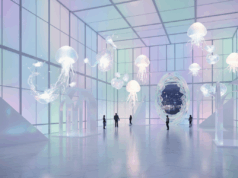
- Personalized Art Experiences: AI will be used to create personalized art experiences tailored to individual preferences and emotional states. Imagine museums that adapt their exhibits based on visitor feedback or art galleries that curate collections based on individual tastes.
- AI-Driven Art Education: AI will be used to personalize art education, providing students with customized feedback and guidance. AI-powered tutors can help students develop their artistic skills and explore their creative potential.
- Increased Focus on Ethical AI: There will be a greater emphasis on developing ethical AI models that are fair, transparent, and accountable. This will involve addressing algorithmic bias, protecting copyright, and promoting responsible use of AI technology.
Ultimately, the future of AI art depends on our ability to harness its potential while mitigating its risks. By embracing a collaborative and ethical approach, we can unlock the transformative power of AI art and create a more vibrant and inclusive creative landscape for all.
You Might Also Like
- The European Union's Risk-Based Approach: The AI Act in Action
- The Rise of Hyper-Realistic Synthetic Data
- Beyond the Brick and Mortar: A New Era of Cultural Access
- The Rise of Personalized Nutrition: Food as Medicine, Tailored to You
- The Biofeedback Revolution: Mastering the Mind-Game Connection
Frequently Asked Questions (FAQ)
How have AI art tools evolved beyond just generating basic images?
They now offer finer control through detailed prompts, allow for style transfer from specific artists, incorporate iterative refinement processes, and integrate with existing design workflows.
What are some of the key advancements driving the evolution of AI art tools?
Increased computational power, larger and more diverse training datasets, and advancements in generative models like diffusion models are all playing a crucial role.
Are AI art tools truly 'creative', or are they just mimicking patterns?
The debate continues, but the best tools allow human artists to collaborate and guide the AI, leading to novel and expressive artworks beyond simple pattern replication.